Lucknow: The Uttar Pradesh government has intensified its focus on skill development and rural connectivity as twin pillars to accelerate its ambitious लक्ष्य of becoming a $1 trillion economy. Under the leadership of Chief Minister Yogi Adityanath, the state is working on a multi-pronged strategy to empower youth with employable skills while ensuring last-mile transport connectivity across villages.
Skill Development at the Core of Growth Strategy
In a high-level review meeting held at the state secretariat, chaired by Minister of State (Independent Charge) for Vocational Education, Skill Development and Entrepreneurship Kapil Dev Agarwal, officials assessed the progress of departmental schemes and outlined future priorities.
The minister emphasized the need for time-bound and effective implementation of all skill development initiatives, underlining that industry-oriented training and strengthening of Industrial Training Institutes (ITIs) will be central to the state’s economic roadmap.
“Youth must be equipped with employment-oriented skills that align with industry needs. Skill development is not just a welfare initiative but a critical driver of economic growth,” Agarwal said during the meeting.
The government is focusing on upgrading ITIs with modern infrastructure, introducing new-age courses, and aligning training modules with industry demand. The approach aims to bridge the skill gap, enhance employability, and create a workforce capable of supporting Uttar Pradesh’s rapidly expanding industrial base.
Officials were directed to ensure better coordination with industries, expand apprenticeship opportunities, and strengthen entrepreneurship programs so that trained youth can also become job creators.
Rural Transport Revolution: Connecting the Last Mile
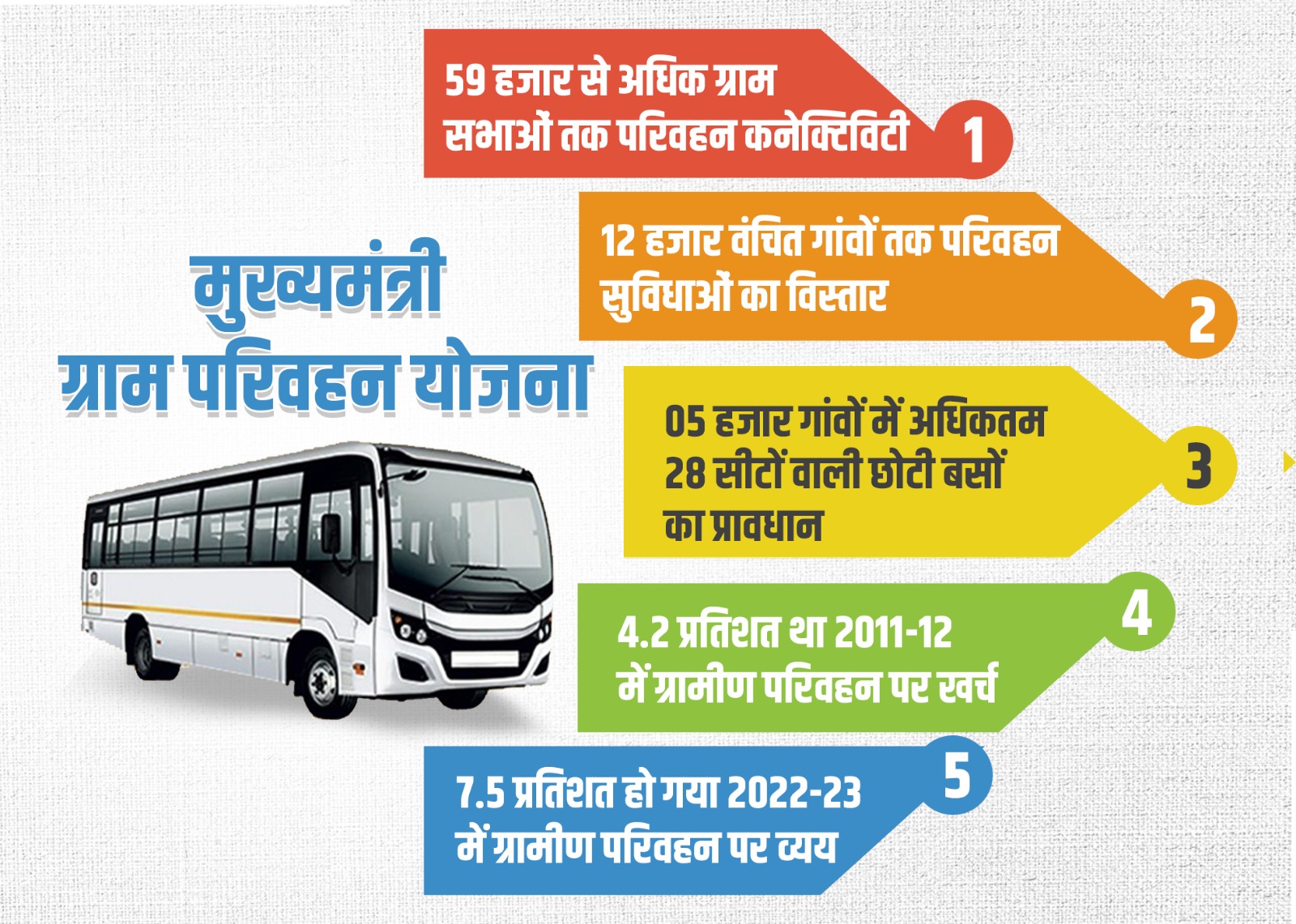
In parallel, the state government has unveiled a transformative rural transport initiative under the Chief Minister Gram Transport Scheme, 2026, aimed at connecting over 12,200 villages that currently lack access to public transport.
This initiative reflects a shift in governance thinking—from merely building roads to ensuring functional connectivity and access to services. The plan is designed to link approximately 59,163 gram sabhas, ensuring that transportation becomes a gateway to education, healthcare, employment, and markets.
Under the scheme, regular bus services will be introduced in underserved areas, with a special focus on remote and inaccessible regions. Notably, around 5,000 villages where large buses cannot operate will be served by smaller 28-seater buses, ensuring inclusivity in connectivity planning.
Each gram panchayat will receive bus services at least twice daily, with operations scheduled between morning and evening hours to provide reliable commuting options. Permits for these buses will initially be granted for 10 years, with provisions for extension.
A New Model of Employment and Participation
The ग्रामीण transport initiative is also designed as a job creation model. Drivers and support staff will be recruited locally, generating employment opportunities for rural youth. Additionally, private operators will be encouraged to participate through incentives such as tax concessions and permit support.

This public-private partnership approach is expected to strengthen the transport ecosystem while simultaneously boosting local economies.
Improved Accessibility and Social Impact
The scheme is expected to bring significant relief to millions of rural residents who currently depend on irregular and expensive modes of transport. By improving affordability and reliability, the initiative will reduce travel costs and enhance mobility.
A key beneficiary group will be students—estimated at nearly 1.5 crore—who will gain easier access to schools and colleges. This is likely to have a positive impact on school attendance and reduce dropout rates, particularly in remote areas.
Healthcare access is also expected to improve, as reliable transport will enable quicker and more consistent access to medical facilities.
Monitoring and Accountability
To ensure effective implementation, district-level committees headed by District Magistrates will oversee operations, including route planning, fare regulation, and service monitoring. Strict guidelines mandate that buses must return to villages by night, ensuring continuity and reliability of service.
A Holistic Development Approach
The dual focus on skill development and rural connectivity reflects a broader governance philosophy—one that links infrastructure with human capital development. By equipping youth with relevant skills and ensuring physical access to opportunities, the government aims to create a self-sustaining growth cycle.
Over the years, rural transport expenditure has increased significantly—from 4.2% of household budgets in 2011–12 to around 7.5% in 2022–23—highlighting the growing importance of mobility in everyday life. The new initiative seeks to ease this burden while expanding opportunities.
Toward a $1 Trillion Economy
As Uttar Pradesh pushes toward its $1 trillion economy target, the emphasis on grassroots transformation is becoming increasingly evident. Skill development ensures a capable workforce, while connectivity ensures access—together forming the backbone of inclusive growth.
Chief Minister Yogi Adityanath has consistently maintained that development must reach the last mile. The latest initiatives reinforce this vision, demonstrating a shift from infrastructure creation to service delivery and outcomes.
With targeted investments, institutional reforms, and a strong focus on execution, Uttar Pradesh is positioning itself as a model of integrated development—where economic ambition is matched by social inclusion and grassroots impact.